Table of Contents
- Injury Prevention Training for Women: A Complete Guide
- Before You Begin: Consult and Prepare
- Step 1: Assess Your Current Fitness Level and Identify Risk Factors
- Step 2: Master Proper Warm-Up and Mobility Work
- Step 3: Incorporate Strength Training for Joint Stability
- Step 4: Focus on ACL Injury Prevention Techniques for Female Athletes
Injury Prevention Training for Women: A Complete Guide
Injury prevention training for women is a targeted exercise approach designed to reduce the risk of common sport- and activity-related injuries. At First Class OBGYN, we believe that every woman deserves safe, effective strategies to stay active—whether you are an athlete, a new mom, or simply prioritizing lifelong health. Our commitment to Expert Attentive Care means we help you understand why female athletes are more susceptible to ACL tears and stress fractures, and how evidence-based injury prevention training for women can make a difference.
Government health data from the National Institutes of Health emphasizes that women’s anatomy and hormonal fluctuations influence injury risk, so following safe exercise practices is essential. ACL injury prevention for female athletes often focuses on neuromuscular control, while stress fracture prevention for women athletes addresses bone health and mechanical loading. For expectant and new mothers, the American College of Obstetricians and Gynecologists provides clear standards for exercise during pregnancy and the postpartum period. That’s why we recommend working with a pre and postpartum personal trainer who can tailor workouts to your changing body and pelvic floor needs. We are here for you with science-backed guidance that supports confidence, strength, and recovery at every stage of life.
Before You Begin: Consult and Prepare
Before you dive into any exercise routine, consulting your gynecologist is the most critical step for safe and effective injury prevention training for women. The American College of Obstetricians and Gynecologists (ACOG) recommends at least 150 minutes of moderate-intensity activity per week during pregnancy and a gradual return postpartum, but your individual clearance matters most.
We encourage you to prepare thoroughly. Bring a list of current medications, past pregnancies, surgeries, and any chronic conditions like high blood pressure or diabetes. Write down specific questions: “What exercises should I avoid?” “Are there warning signs to stop?” “How soon can I resume after delivery?” This conversation is also the perfect time to discuss ACL injury prevention for female athletes or stress fracture prevention for women athletes based on your personal risk factors.
When selecting a pre and postpartum personal trainer, verify they hold a recognized NCCA-accredited certification plus a specialized pre/postnatal credential. According to the qualifications outlined by Gynecologist.Hashtag.org, your trainer should also understand diastasis recti and pelvic floor health—your gynecologist may even refer you to a pelvic floor physical therapist when needed.
Once you have personalized clearance, you can safely begin your plan. We are committed to helping women restore their confidence, and we are here for you. Please remember results vary based on individual conditions and circumstances, and always consult a healthcare professional for personalised medical advice.
Step 1: Assess Your Current Fitness Level and Identify Risk Factors
Before beginning injury prevention training for women, assessing your current fitness level is the essential first step. We are here for you with Expert Attentive Care at every stage of your wellness journey.
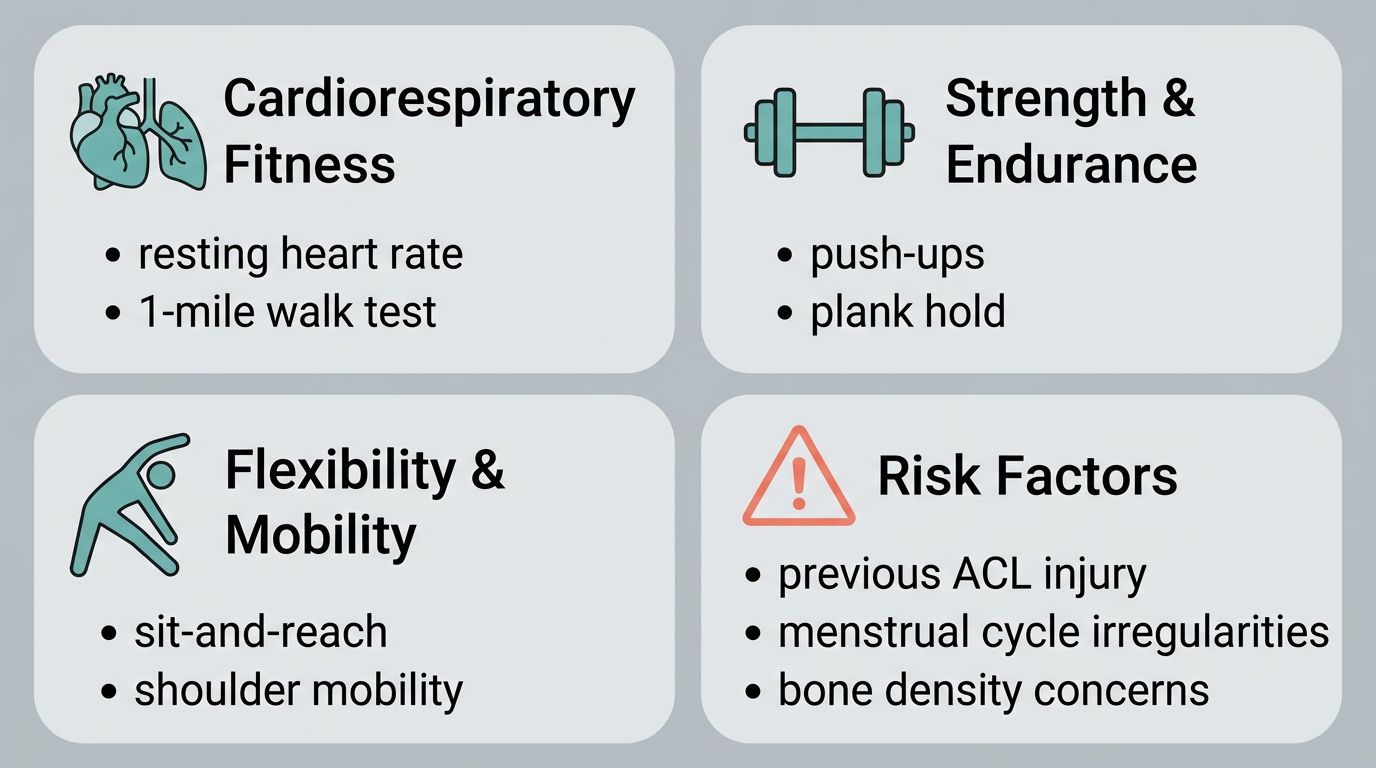
Women face specific risks including ACL injury prevention for female athletes due to biomechanical differences, and stress fracture prevention for women athletes linked to bone health. Key risk factors include:
- Previous injuries or joint instability
- Pregnancy and postpartum recovery
- Hormonal changes during perimenopause and menopause
- Muscle imbalances or poor movement patterns
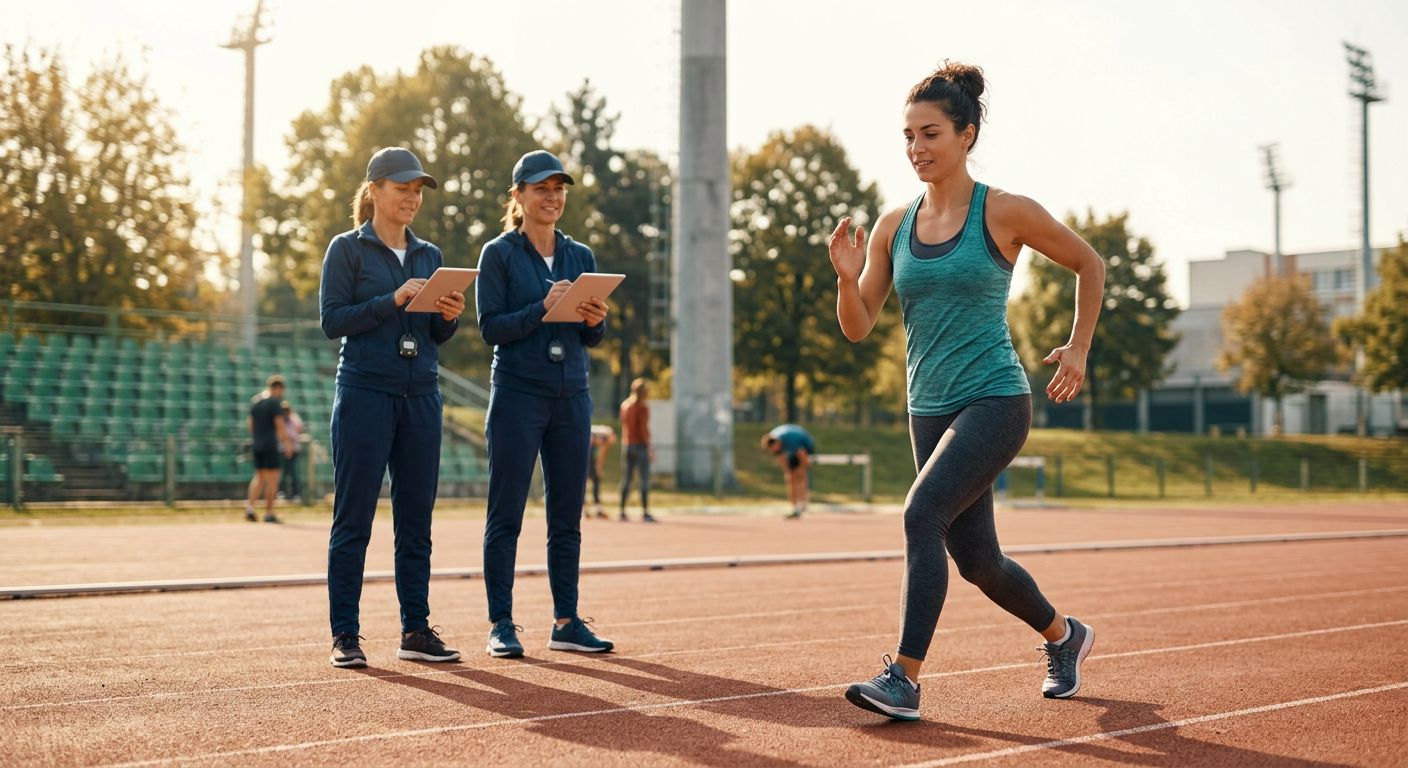
Self-assessment methods range from checking cardiorespiratory fitness with a brisk walk test to evaluating strength, flexibility, and movement patterns. The National Institutes of Health strongly recommends consulting a healthcare professional before starting any fitness program, especially postpartum.
If returning to exercise after birth, working with a pre and postpartum personal trainer helps rebuild strength safely while respecting your recovery. Risk factors change over time, so reassessing periodically keeps your injury prevention training for women on track. Once you have identified your risks, Step 2 guides you through creating a personalized plan built on this assessment.
Step 2: Master Proper Warm-Up and Mobility Work
Now that we have identified the key risk factors, the next vital step in injury prevention training for women is mastering a proper warm-up and mobility routine. According to National Institutes of Health resources, a warm-up should last 5-10 minutes and focus on dynamic movements rather than static stretching. This approach gradually increases heart rate and blood flow to muscles, preparing the body for more intense activity.
Effective mobility drills include leg swings, hip circles, walking lunges, and torso twists. These movements are particularly important for acl injury prevention for female athletes, as they improve hip and knee stability and reduce strain on the anterior cruciate ligament. Additionally, weight-bearing mobility exercises like walking lunges can support stress fracture prevention for women athletes by stimulating bone density and improving impact absorption.
A thorough warm-up primes your body for the strength and conditioning work that follows, which we will cover in Step 3.
Step 3: Incorporate Strength Training for Joint Stability
Transitioning from cardiovascular work, adding strength training is key to supporting your joints. Injury prevention training for women emphasizes the hips, knees, and ankles—joints that face high stress during physical activity. Incorporating compound movements like squats, lunges, and planks two to three times per week helps build the muscle support that contributes to ACL injury prevention for female athletes. By increasing bone density, consistent resistance work can also play a role in stress fracture prevention for women athletes. Following the ACOG obstetrics gynecology standards, we recommend focusing on controlled form and making adjustments during pregnancy or postpartum. With your strength routine in place, the next step will introduce balance and coordination exercises. Please remember that results vary, and it’s wise to consult a healthcare professional for guidance tailored to your body. At First Class OBGYN, we provide Expert Attentive Care to help you move confidently through every stage of life.
Step 4: Focus on ACL Injury Prevention Techniques for Female Athletes
ACL injury prevention is a key part of injury prevention training for women. Female athletes face a higher risk of anterior cruciate ligament tears because of differences in neuromuscular control, pelvic alignment, and hormonal influences. The National Institutes of Health has found that neuromuscular training programs can reduce this risk by more than 50%.
Effective acl injury prevention for female athletes includes a mix of:
- Plyometric drills (like box jumps)
- Balance and proprioception exercises
- Hamstring and glute strengthening
- Landing mechanics practice
Aim for at least two weekly sessions, ideally starting in early adolescence to get the most benefit. Incorporating these drills into your warm-up makes them simple to sustain. These routines also build stronger bones, which contributes to stress fracture prevention for women athletes.
While prevention training greatly lowers risk, no program can guarantee complete protection. At First Class OBGYN, we support your whole health—from prevention to recovery—with Expert Attentive Care. Our team is here to help you stay active and confident through every stage of life. Up next, see how nutrition and recovery strategies complete the picture.
Step 5: Prevent Stress Fractures with Smart Training Progression
After building strength and flexibility, the next step in injury prevention training for women is smart training progression to avoid overuse injuries like stress fractures. A stress fracture, a tiny crack in the bone, can develop when you increase workout intensity too quickly. We recommend following the “10% rule” — do not raise your weekly mileage by more than 10% to let bones adapt. Include at least one rest day and mix in low-impact cross-training such as swimming or cycling to reduce repetitive stress. Proper nutrition matters too; according to the National Institutes of Health, adequate calcium and vitamin D intake supports bone strength, which aids in acl injury prevention for female athletes. Varying your running surfaces, like alternating pavement with trails or grass, and maintaining good form can further lower impact. Once you master training progression, focus on recovery and listening to your body — key parts of female athlete injury prevention. Remember, a proactive approach keeps you moving safely. Please consult a healthcare professional for personalised medical advice and diagnosis.
Step 6: Adapt Training for Women Over 40
Building on general injury prevention principles, we now adapt injury prevention training for women over 40. Decreased estrogen during perimenopause and menopause reduces bone density and increases joint laxity, raising the risk of ACL injuries and stress fractures.
For ACL injury prevention for female athletes over 40, we emphasize neuromuscular control, proper landing mechanics, and a 10–15 minute dynamic warm-up. Weight-bearing exercises like walking or lunges three times weekly maintain bone density. Stress fracture prevention for women athletes also requires adequate calcium and vitamin D. The American College of Obstetricians and Gynecologists recommends gradual progression using the 10% rule per week to allow longer recovery.
Pelvic floor strengthening, including Kegels, and core stability work support pelvic organ health. We address these concerns through our urogynecological treatments, and our Expert Attentive Care approach tailors every plan.
With these adaptations in place, consistency and progress monitoring become our next focus. Please consult a healthcare professional for personalised medical advice before starting any new exercise program.
Step 7: Postpartum-Specific Training for Safe Return to Exercise
Postpartum-specific training is a vital component of injury prevention training for women. You should only begin after medical clearance, typically 6-8 weeks for a vaginal delivery, longer for a C-section. Prioritizing pelvic floor rehabilitation and checking for diastasis recti are essential before any high-impact work.
Begin with progressive core strengthening, focusing on transverse abdominis activation and diaphragmatic breathing, before adding load. Low-impact cardio like walking or swimming helps rebuild fitness safely. Elevated relaxin increases ligament laxity and ACL injury risk, so ACL injury prevention for female athletes remains critical. Gradual loading also supports stress fracture prevention for women athletes.
We strongly recommend working with a qualified trainer or physical therapist who designs a program tailored to your recovery timeline. Our practice’s FAQ resources and complete guide offer expert, step-by-step safe exercise recommendations. Results may vary; consult your healthcare provider before starting any exercise program.
Troubleshooting Common Training Challenges
As you start or refine your training routine, you may encounter common hurdles that call for smart, evidence-based adjustments. Our approach to injury prevention training for women pairs friendly support with professional guidance, helping you stay active while respecting your body's unique needs. We are here for you every step of the way.
When running or jumping, pelvic floor pressure can feel unsettling. The National Institutes of Health advises that gradual intensity increases and controlled breathing may help reduce risk. We recommend maintaining an upright posture and engaging your deep core, then pausing if discomfort arises—small shifts in form often make a meaningful difference.
Your menstrual cycle can influence ligament laxity and bone health, which is why acl injury prevention for female athletes benefits from phase-aware training. The American College of Obstetricians and Gynecologists notes that estrogen fluctuations may affect joint stability. During high-hormone phases, consider lowering plyometric volume and prioritizing a thorough warm-up and cool-down to support knee alignment.
Protecting bone integrity is equally important. For stress fracture prevention for women athletes, pair supportive sports bras with consistent hydration and calcium-rich nutrition, especially during intense training blocks. We also encourage cross-training and rest days, since recovery is where resilience builds. Always consult a healthcare professional for personalized advice, particularly if you have preexisting conditions or are returning to exercise postpartum.
Committed to helping women restore their confidence, we invite you to reach out with your concerns. With these adjustments, you'll be ready to advance to a lasting fitness plan—read on for long-term training strategies.
Results may vary; consult a healthcare professional for personalized advice.
Embracing Injury Prevention for Long-Term Health
Regular exercise brings countless benefits, but maintaining those gains requires a proactive approach to safety. Injury prevention training for women is a forward-thinking strategy that reduces the likelihood of setbacks, helping you stay active and confident for years to come. By embedding consistent habits—like building strength, improving flexibility, and using proper technique—women can safeguard their bodies against common, yet preventable, conditions. We know that concerns like preventing ACL injuries in active women and avoiding stress fractures in female athletes are top of mind for many of our patients.
At First Class OBGYN, we believe in Expert Attentive Care. We are committed to helping women restore their confidence through safe, effective guidance, and we are here for you. Small, regular preventive steps yield significant cumulative benefits, supporting lifelong wellness without demanding extreme changes. In our next section, we explore simple warm‑up routines and strength exercises that form the foundation of a protective fitness plan.
Results may vary based on individual patient conditions and circumstances. Please consult a healthcare professional for personalised medical advice.
Resources
- Discover if Online Training Works for Pre and Postpartum Women
- Discover Recommended Exercises During Pregnancy from Trainers
- Discover How Postpartum Personal Trainers Aid Recovery After Birth
- Discover Qualifications Needed for Pre and Postpartum Trainers
- Get Comprehensive Guide for Pre and Postpartum Personal Training
- Learn When to Start Online Postpartum Fitness Program After Birth
- Discover Safe Exercises for Postpartum Online Fitness Programs
- Explore National Institutes of Health Research and Resources
- Explore ACOG Standards for Obstetrics and Gynecology Care